Vegetarian Indian cuisine is remarkably diverse. A single menu can move from crisp dosas and fluffy idlis to aromatic rice dishes, comforting dals, paneer curries, vegetable specialties, freshly prepared breads, chutneys, and traditional sweets. Each region brings different ingredients and cooking techniques to the table.
For anyone searching for a Vegetarian Indian Restaurant in Cary, NC, the real question is often about finding variety and authenticity. Some diners may be craving familiar South Indian comfort food, while others want North Indian curries or a complete family meal with something for everyone.
Knowing what defines traditional vegetarian Indian cooking can make that dining decision much easier.
Table of Contents
- What Should You Look for in a Vegetarian Indian Restaurant?
- Why Indian Vegetarian Cuisine Offers So Much Variety
- How Do South Indian and North Indian Vegetarian Foods Differ?
- Where A2B Fits into Cary’s Vegetarian Dining Scene
- What Should First-Time Visitors Order?
- How to Build a Balanced Vegetarian Indian Meal
- Why Vegetarian Indian Dining Works for Families and Groups
- Frequently Asked Questions
- Cary’s Growing Appreciation for Vegetarian Indian Cuisine
What Should You Look for in a Vegetarian Indian Restaurant in Cary, NC
A good vegetarian Indian restaurant should offer regional variety, freshly prepared dishes, balanced spices, different textures, and choices for different dining preferences. Look for a menu that represents distinct Indian cooking traditions through dosas, idlis, dals, paneer, vegetables, rice dishes, breads, snacks, chutneys, and sweets.
When searching for a Pure Vegetarian Indian Restaurant in Cary, NC, variety is an important consideration.
A thoughtful menu should allow you to experience different cooking techniques rather than simply variations of the same curry. Fermentation, steaming, roasting, tempering, griddle cooking, slow simmering, and high-heat kadai cooking all contribute something different to Indian vegetarian cuisine.
Why Indian Vegetarian Cuisine Offers So Much Variety
One of the most interesting aspects of Indian vegetarian cooking is how everyday ingredients can take on completely different personalities depending on the region and preparation.
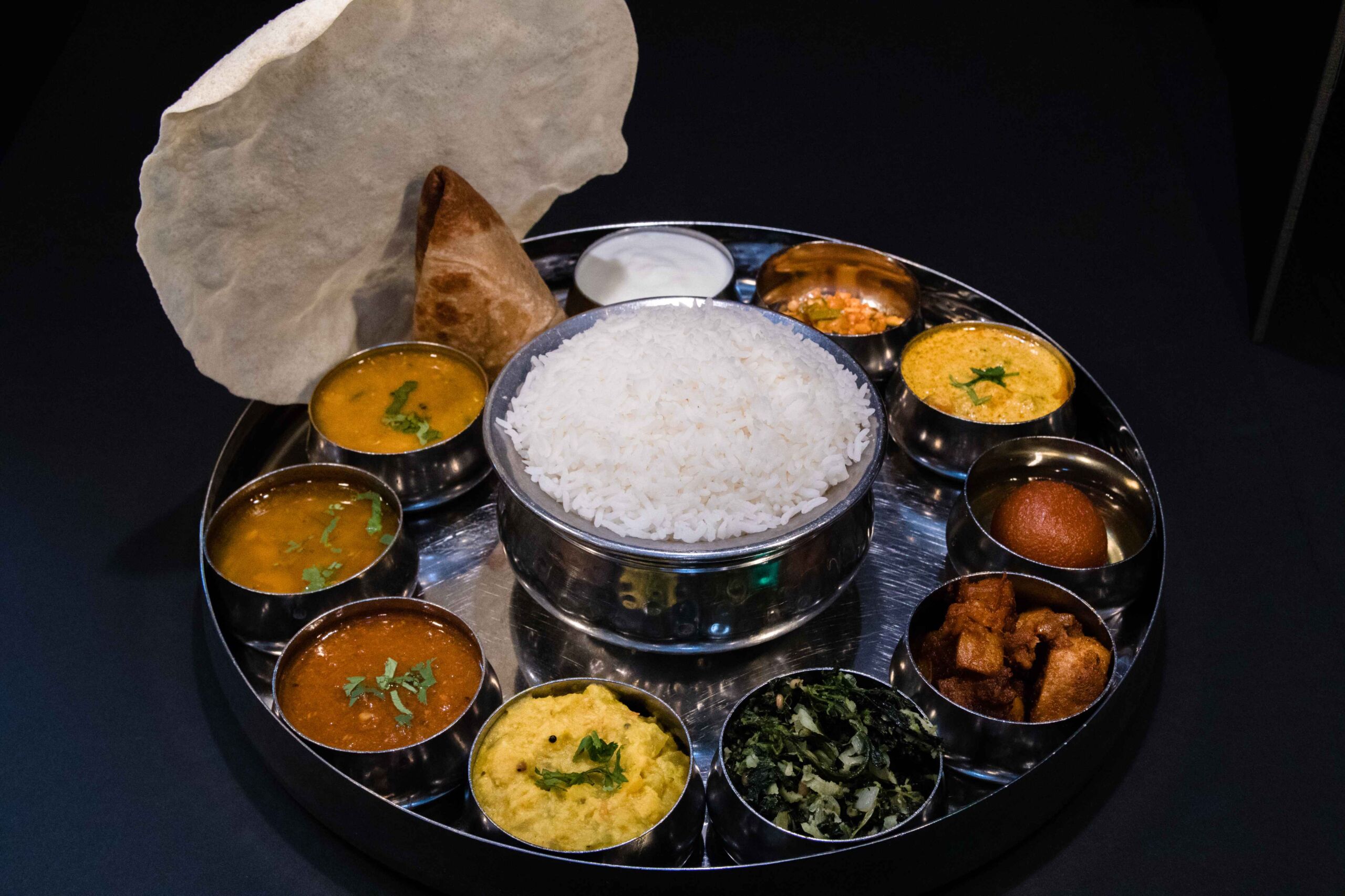
Lentils, for example, can become creamy dal, tangy sambar, crispy vada, or part of a fermented dosa batter.
Rice can appear as fluffy steamed rice, aromatic biryani, variety rice, or fermented alongside lentils to make South Indian breakfast favorites.
Paneer is equally versatile. Its soft, milky texture works beautifully in creamy gravies, tomato-based curries, kadai preparations, and richly spiced North Indian dishes.
Vegetables such as mushrooms, cauliflower, potatoes, okra, peas, carrots, and bell peppers take center stage rather than simply appearing as accompaniments.
This diversity is one reason Vegetarian Indian Food in Cary, NC can offer something different across multiple visits.
What Role Does Tadka Play in Indian Vegetarian Cooking
Tadka, also known as tempering, is a traditional Indian technique in which spices and aromatics are briefly heated in oil or ghee to release their fragrance and flavor. Ingredients such as mustard seeds, cumin, curry leaves, dried chilies, and asafoetida can transform the character of dals, chutneys, curries, and other vegetarian dishes.
Timing is important.
Mustard seeds may crackle first, followed by curry leaves and chilies. Cumin releases a warm, earthy aroma when it touches hot oil.
The finished tempering can be incorporated during cooking or poured over a dish immediately before serving.
It is a simple technique with a major influence on flavor and one of the details that helps explain the depth found in Authentic Vegetarian Indian Food Cary NC.
How Do South Indian and North Indian Vegetarian Foods Differ
South Indian and North Indian cuisines provide two distinctly different ways to explore India’s vegetarian traditions.
South Indian Food Cary NC often introduces diners to fermented rice and lentil batters, coconut, tamarind, curry leaves, mustard seeds, sambar, and fresh chutneys.
A dosa arrives thin and crisp, while idli is steamed until soft and fluffy. Appam offers another contrast, with delicate lace-like edges surrounding a soft center.
North Indian vegetarian cuisine brings a different set of textures.
Paneer curries can be smooth and comforting, while Kadai Mushroom combines earthy mushrooms and crisp bell peppers with roasted coriander, tomatoes, ginger, and aromatic spices. Dal dishes provide warmth and depth, while naan and roti make thicker gravies ideal for sharing.
For diners comparing a South Indian Vegetarian Restaurant Cary NC and North Indian Vegetarian Restaurant Cary NC, a menu offering both traditions makes exploration much easier.
Where A2B Fits into Cary’s Vegetarian Dining Scene
Once the diversity of Indian vegetarian cooking becomes clear, A2B becomes relevant for people searching for a Pure Vegetarian Restaurant Cary NC.
The menu brings together South Indian classics and North Indian vegetarian dishes, giving diners an opportunity to experience different regional cooking traditions at the same table.
This flexibility suits Cary’s dining habits particularly well.
A quick weekday lunch might call for dosa, idli, or a traditional meal, while weekend family dining creates an opportunity to order several curries, breads, rice preparations, and appetizers to share.
Graduations, birthdays, festival gatherings, community events, and office lunches also naturally suit family-style vegetarian dining.
What Should First-Time Visitors Order
First-time diners can explore Indian vegetarian cuisine by choosing dishes with contrasting textures and cooking techniques. Start with a crisp dosa or soft idli, add a paneer or vegetable curry, include rice or Indian bread, and finish with a traditional sweet or South Indian filter coffee.
For something crisp, try Masala Dosa. Its thin fermented crepe surrounds a gently seasoned potato filling and is typically accompanied by chutneys and sambar.
For stronger spices, Kadai Mushroom provides earthy mushrooms, bell peppers, tomatoes, ginger, garlic, and freshly roasted kadai masala.
A paneer curry offers a softer contrast, with tender cubes absorbing the surrounding gravy.
Adding naan, roti, or rice turns these dishes into a balanced shared meal.
How Can You Build a Balanced Vegetarian Indian Meal
Think about contrast rather than simply ordering several entrées.
Start with something light or crisp. Follow it with one bold vegetable curry and another milder paneer or lentil preparation.
Choose bread for thick gravies and rice for dals or lighter curries. Chutneys, sambar, raita, or other accompaniments can introduce cooling, tangy, or spicy notes between bites.
This approach helps first-time visitors understand Authentic Indian Cuisine Cary NC because every dish contributes something different to the table.
It also works particularly well for families, where everyone can sample several preparations instead of choosing just one flavor profile.
Why Does Vegetarian Indian Dining Work Well for Families
Indian vegetarian food naturally encourages sharing.
One person might want a crisp dosa, another a comforting paneer curry, while someone else prefers rice, dal, or a spicy mushroom preparation.
That flexibility is useful when looking for a Family-Friendly Indian Restaurant Cary NC.
Weekend lunches can become leisurely shared meals, while weekday dinners can remain simple with a curry, bread, and rice combination. Larger groups can explore more of the menu by ordering dishes for the center of the table.
It also makes vegetarian dining enjoyable for different generations, from children discovering mild flavors to adults seeking traditional regional dishes.
Frequently Asked Questions
Is A2B in Cary a pure vegetarian restaurant?
A2B focuses on vegetarian Indian cuisine, bringing together South Indian and North Indian dishes. Diners can explore dosas, idlis, appam, paneer preparations, vegetable curries, dals, rice dishes, breads, snacks, sweets, and other traditional favorites, making it relevant for people specifically searching for vegetarian Indian dining in Cary.
What South Indian dishes are good for first-time diners?
Masala dosa, idli with sambar, appam, pongal, and other tiffin-style dishes provide an approachable introduction. Dosa offers crisp texture, idli is soft and mild, while appam combines delicate edges with a fluffy center. Chutneys and sambar introduce the tangy, aromatic flavors commonly associated with South Indian cooking.
What North Indian vegetarian dishes should I explore?
Paneer curries, Kadai Mushroom, dal preparations, vegetable curries, naan, roti, and aromatic rice dishes are excellent starting points. Ordering one vegetable curry and one paneer or lentil dish creates useful contrast, especially when accompanied by bread or rice. It is an easy way for families to explore several flavors together.
What should I look for when searching for vegetarian Indian food near me?
Look beyond the number of menu items and consider regional variety, cooking techniques, freshness, and texture. A diverse vegetarian menu may include fermented South Indian dishes, North Indian curries, paneer, lentils, vegetables, rice preparations, breads, chutneys, snacks, and sweets, providing a broader introduction to India’s vegetarian culinary traditions.
Cary’s Growing Appreciation for Vegetarian Indian Cuisine
Vegetarian Indian cuisine offers much more than a collection of curries. Fermentation gives dosa and idli their characteristic texture. Tempering transforms lentils with aromatic spices. Kadai cooking creates bold, roasted flavors, while paneer, grains, vegetables, coconut, tamarind, herbs, and chutneys contribute their own distinctive qualities.
For families, vegetarian diners, Indian-origin communities, and curious food explorers searching for a Vegetarian Indian Restaurant in Cary, NC, A2B provides an opportunity to experience these traditions within one vegetarian-focused menu.
That diversity is what makes Indian vegetarian cooking particularly meaningful within Cary’s dining landscape. A meal can introduce South Indian breakfast traditions, North Indian curries, regional cooking techniques, and familiar family-style sharing all while showing how vegetables, lentils, grains, dairy, spices, and centuries of culinary knowledge can create extraordinary variety.
most rewarding part of exploring the cuisine.