
A satisfying Indian meal does not always end with the main course. Desserts have an important place in Indian dining traditions, offering a contrast to savory dishes through creamy textures, delicate sweetness, aromatic spices, and familiar ingredients such as milk, ghee, nuts, and semolina.
Unlike desserts that focus primarily on chocolate or baked preparations, traditional Indian sweets offer a wide range of textures and serving styles, from warm syrup-soaked delicacies to chilled milk-based treats.
If you’re exploring Indian Desserts in Cary NC, A2B offers a selection of traditional Indian sweets, South Indian specialties, and frozen desserts that complement a vegetarian meal. Whether you prefer something rich and creamy or a lighter fruity finish, understanding these choices can help you find a dessert that suits your taste.
Why Are Desserts an Important Part of Indian Dining?
Indian desserts are closely connected to celebrations, hospitality, and everyday food traditions. Sweets are commonly enjoyed after meals, shared during festivals, and served at family gatherings. Their preparation often highlights regional ingredients and cooking techniques that differ from those used in savory dishes.
One interesting aspect of Indian sweets is their variety.
Milk-based desserts often develop richness through thickened milk, while semolina-based preparations use ghee and sugar to achieve a softer, grainier texture. Syrup-soaked sweets provide another experience, combining a delicate exterior with a moist, sweet center.
In South Indian dining traditions, sweets such as kesari and halwa are especially familiar at celebrations and festive meals. Other desserts, including gulab jamun and rasamalai, are enjoyed across multiple regions of India.
This variety means that dessert is not simply an additional course. It can introduce diners to a different aspect of regional Indian cuisine.
For someone exploring vegetarian Indian food in Cary, choosing a traditional sweet is also an opportunity to understand the flavors and ingredients that make Indian dessert traditions distinctive.
Which Indian Desserts in Cary, NC Should You Try?
For diners looking for Indian desserts in Cary, NC, A2B offers a selection that includes Gulab Jamun, Rasamalai, Pineapple Rava Kesari, Tirunelveli Halwa, Mango Kulfi, and other traditional sweets. These desserts offer different combinations of sweetness, temperature, texture, and regional cooking styles.
Here are some options worth exploring after your vegetarian meal.
1. Gulab Jamun – A Soft, Syrup-Soaked Classic
Gulab Jamun is among the most recognizable Indian desserts. It consists of soft, fried sweet dumplings soaked in sugar syrup.
Its appeal comes from the contrast between the delicate outer surface and the moist, syrup-filled interior.
For diners who enjoy traditional sweets with a rich flavor, Gulab Jamun is a familiar choice.
It is especially enjoyable after a savory meal because its sweetness provides a noticeable change from the spices and seasonings of Indian curries.
2. Rasamalai – A Creamy Milk-Based Dessert
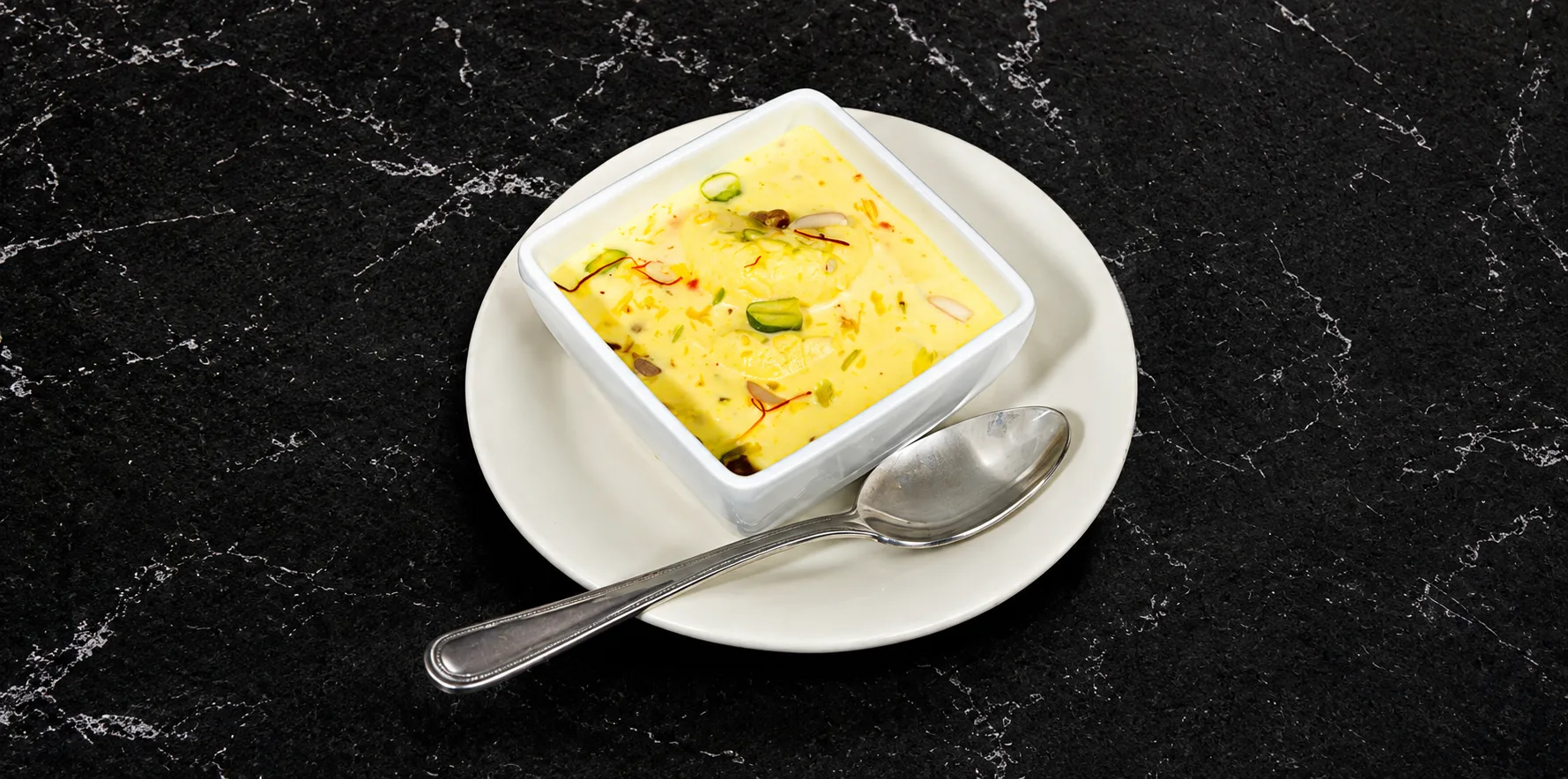
Rasamalai offers a different dessert experience through its soft cottage cheese pieces and sweetened milk.
Originating from Bengali sweet-making traditions, this dessert emphasizes a delicate texture rather than the fried exterior associated with Gulab Jamun.
The soft cheese absorbs the surrounding milk, creating a creamy consistency.
For those who prefer milk-based desserts, Rasamalai can be an appealing finish after dishes such as dosa, vegetable biryani, or traditional Indian thali.
3. Pineapple Rava Kesari – A South Indian Favorite
Pineapple Rava Kesari combines semolina, pineapple, and sugar in a traditional South Indian sweet preparation.
Unlike milk-based desserts, rava kesari has a soft, slightly grainy texture developed through cooking semolina.
Pineapple introduces a fruity element that contrasts with the richness of the preparation.
This makes it an interesting choice for people who enjoy traditional South Indian desserts but want something different from a syrup-based sweet.
4. Tirunelveli Halwa – A Traditional Tamil Nadu Specialty
Tirunelveli Halwa is a regional sweet associated with Tirunelveli in Tamil Nadu.
Prepared using whole wheat, ghee, and sugar, this dessert develops a dark, glossy appearance through slow cooking.
Its defining qualities are its smooth, rich texture and concentrated sweetness.
Compared with semolina-based kesari, wheat halwa has a more cohesive, glossy consistency.
For diners interested in exploring regional Indian sweet-making traditions, Tirunelveli Halwa provides a distinctive example.
5. Mango Kulfi – A Chilled Indian Dessert
Mango Kulfi offers a refreshing alternative to warm Indian sweets.
Kulfi is a traditional frozen dessert prepared with thickened milk. Its denser texture distinguishes it from many conventional ice creams.
Mango adds a familiar fruity flavor that makes this dessert appealing to people who prefer a chilled finish.
A2B also offers Pista Kulfi and Malai Kulfi, providing additional flavor choices for diners who enjoy traditional frozen Indian desserts.
6. Brownie Kesari with Vanilla Ice-cream – A Modern Combination
Brownie Kesari with Vanilla Ice-cream combines chocolate semolina pudding, chocolate fudge, and vanilla ice cream.
Unlike traditional milk sweets or halwa, this preparation brings together warm-style semolina dessert flavors and a frozen accompaniment.
The contrast between chocolate richness and creamy ice cream creates a distinctive dessert experience.
It is a suitable option for diners who enjoy familiar chocolate flavors while exploring Indian-inspired sweet preparations.
All six featured desserts are listed on A2B’s official Cary menu.
What Makes South Indian Desserts Different?
South Indian desserts frequently highlight ingredients such as semolina, rice, wheat, jaggery, coconut, and ghee. Their flavors and textures vary according to regional traditions, cooking methods, and the role they play in festivals, religious occasions, and everyday meals.
For example, Pineapple Rava Kesari demonstrates how semolina can be transformed into a soft sweet through controlled cooking.
Tirunelveli Halwa uses a different preparation technique, where wheat, ghee, and sugar are gradually cooked to develop a richer texture.
These two dishes help explain an important feature of Indian sweets: desserts can share similar sweetening ingredients while producing completely different results.
Traditional sweet-making also involves careful temperature control. The amount of moisture retained during cooking influences whether a dessert becomes soft, chewy, glossy, or firm.
A2B’s selection includes both regional South Indian preparations and sweets associated with other parts of India, giving diners opportunities to explore several traditions during one dining experience.
How Do You Choose the Right Dessert After a Vegetarian Meal?
The right dessert depends on the richness of your main course, your preferred sweetness level, and whether you enjoy warm or chilled preparations. A creamy dessert can offer a gentle finish, while a fruit-flavored or frozen sweet may provide a refreshing contrast after a generously spiced meal.
Choosing the right dessert after a vegetarian meal can make your dining experience even more enjoyable.
If you’ve had a traditional South Indian Thali, Pineapple Rava Kesari offers a familiar sweet finish with a pleasant fruity flavor.
After a flavorful Veg Biriyani, the soft and creamy texture of Rasamalai provides a refreshing contrast to the aromatic spices.
For those enjoying rich dishes like Paneer Butter Masala with Naan, Mango Kulfi is a chilled dessert that balances the meal’s richness.
If you’ve chosen Masala Dosai, the syrup-soaked sweetness of Gulab Jamun makes a satisfying combination.
For family vegetarian dinners, Tirunelveli Halwa is another traditional Indian sweet worth sharing.
These are suggested dessert pairings rather than fixed meal combinations. Whether you prefer something creamy, fruity, chilled, or traditionally sweet, choosing a dessert with a different flavor and texture can provide a satisfying finish to your vegetarian dining experience at A2B in Cary, NC.
What Makes Indian Sweets Suitable for Family Gatherings?
Traditional Indian sweets are closely associated with celebrations and sharing. Their variety makes them suitable for occasions where guests have different preferences, from those who enjoy creamy milk desserts to those who favor halwa, laddus, or frozen sweets.
For gatherings in Cary, choosing several types of sweets can introduce guests to different Indian regional traditions.
A2B’s sweets selection includes traditional preparations such as Motichoor Laddu, Adhirasam, Badusha, and Cashew Halwa, offering choices beyond standard restaurant desserts.
If you’re planning a birthday, family celebration, or community event, A2B also provides Indian vegetarian catering services in Cary. Contact the catering team to discuss available sweets and dessert arrangements for your occasion.
Where Can You Enjoy Traditional Indian Desserts in Cary?
For anyone searching for “Indian sweets near me” in Cary, A2B provides a local option to explore traditional Indian desserts alongside a vegetarian meal.
Located at 5001 Winston Hill Drive, Suite 5015, Cary, NC 27513, A2B offers a range of South Indian and North Indian vegetarian dishes, traditional sweets, and frozen desserts.
Whether you’re planning a weekend family lunch or finishing a casual dinner with friends, there are several dessert options to consider.
You can explore the available preparations through A2B’s vegetarian menu, including its dedicated Desserts and Sweets selections.
Prefer enjoying something sweet at home? Visit A2B’s Order Online page to explore currently available dessert options and check ordering availability.
Frequently Asked Questions
1. What Indian desserts can I try at A2B in Cary, NC?
A2B offers Gulab Jamun, Rasamalai, Pineapple Rava Kesari, Tirunelveli Halwa, Kulfi varieties, and other Indian sweets.
2. Which dessert is a good choice after South Indian food?
Pineapple Rava Kesari is a traditional South Indian option, while Rasamalai offers a creamy alternative.
3. Does A2B have chilled Indian desserts?
Yes. A2B offers Mango Kulfi, Pista Kulfi, Malai Kulfi, and other frozen dessert choices.
4. Can I include Indian sweets in A2B catering?
A2B offers event catering services. Contact the restaurant to confirm available sweets and dessert arrangements for your occasion.
A Sweet Finish to Vegetarian Dining in Cary
Indian desserts highlight a side of vegetarian cuisine that extends beyond curries, breads, and rice dishes. From the soft richness of Rasamalai to the distinctive texture of Tirunelveli Halwa, each preparation reflects different ingredients, cooking methods, and regional traditions.
For diners in Cary, NC, A2B offers opportunities to explore these flavors after a vegetarian meal. Its combination of traditional South Indian sweets, familiar Indian desserts, and frozen specialties provides choices for different tastes and occasions.
Understanding these differences helps turn dessert from an afterthought into a meaningful part of the Indian dining experience.